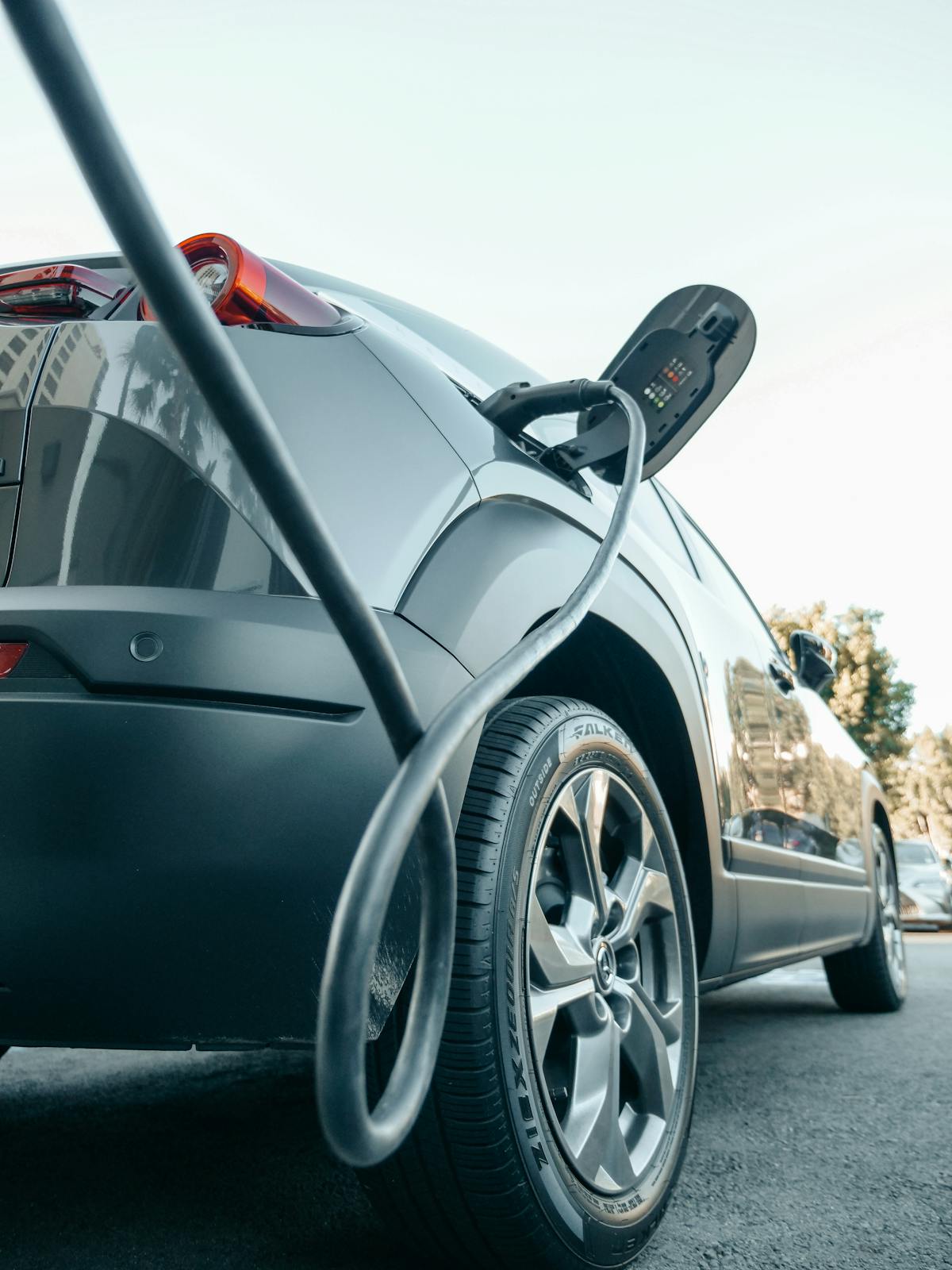
How do you estimate an EV’s monthly electricity use?
Monthly EV energy depends on how far you drive and the vehicle’s consumption in the conditions you encounter. Multiply monthly distance by consumption using matching units, then distinguish driving energy from electricity drawn for charging. For home costs or rewards, also separate home charging from charging elsewhere. There is no single monthly energy figure that accurately describes every Canadian driver.
- Distance and vehicle consumption are both required.
- Separate driving energy, battery energy and electricity drawn.
- Track the share charged at home before estimating home costs.
How much do you actually drive?
Use recent odometer records or your normal weekly trips to build a monthly distance estimate. Include routine travel as well as longer journeys that occur during the period. State whether the estimate describes a normal month or a seasonal peak.
Do not borrow a national average and call it your household’s energy use. A driver working from home and one travelling between communities can have very different charging needs.
Which consumption figure should you use?
Start with a vehicle-specific consumption source or your own measured records. Natural Resources Canada points drivers to its fuel-consumption ratings tool for vehicle energy and ownership-cost estimates.
A published rating is a comparison input, not a promise of identical use in all conditions. Record the source and exact model behind your estimate, and do not apply one model’s figure to every EV.
How do the units fit together?
Monthly driving energy in kWh = monthly distance in kilometres × vehicle consumption in kWh/100 km ÷ 100. Check the consumption unit before calculating; multiplying kilometres by a per-100-kilometre value without dividing by 100 gives the wrong result.
For a hypothetical example, 1,500 km per month at an assumed 18 kWh/100 km equals 270 kWh of driving energy. These are illustrative inputs, not a Canadian average or a rating for a specific vehicle. Replace them with your own distance and a suitable vehicle-specific consumption figure.
That result is not automatically electricity drawn from your house. Account separately for charging losses and energy supplied at work or public stations. Where possible, compare the calculation with measured home charging records.
How much of that energy belongs on the home bill?
Separate home, workplace and public charging using the best records available. A home utility estimate should use the home charging share, not all driving energy regardless of where it was supplied.
After a few billing periods, compare assumptions with charger or vehicle records and update the estimate. Keep any reward calculation separate because a provider may accept different data and apply its own eligibility rules.
Frequently asked questions
Does every EV use the same amount of electricity?
No. A useful estimate needs a vehicle-specific consumption input and a distance assumption. Actual use can differ from a published rating, so record the source and conditions behind any comparison. Do not apply one model’s figure to every vehicle or describe a planning estimate as measured household electricity consumption.
Can I use my monthly driving distance?
Yes, provided you pair it with a compatible consumption measure and show the units. The result is an estimate based on those assumptions. To estimate your home electricity bill, also distinguish electricity drawn at home from charging elsewhere and explain how charging losses are handled rather than leaving those details implicit.
Will the result equal my utility bill?
Not by itself. Your utility bill includes the household’s other electricity use and applies the current tariff and charges. A driving-energy estimate also differs from a direct home charging measurement. Keep household use, charging energy and the price calculation separate so that the comparison remains understandable and can be checked against records.
Does more energy always mean more cash back?
No. A reward requires a real provider and accepted charging activity under its terms. Driving energy is not automatically eligible home charging energy, and a program may impose measurement requirements or limits. Do not turn a general energy estimate into a guaranteed payment without verified rates, eligibility and calculation rules.
Sources
- Natural Resources Canada — Costs of EV chargingAccessed 2026-10-17
Related reading
See what home charging could return.
Province and vehicle specific. Sourced assumptions, no guaranteed payout.