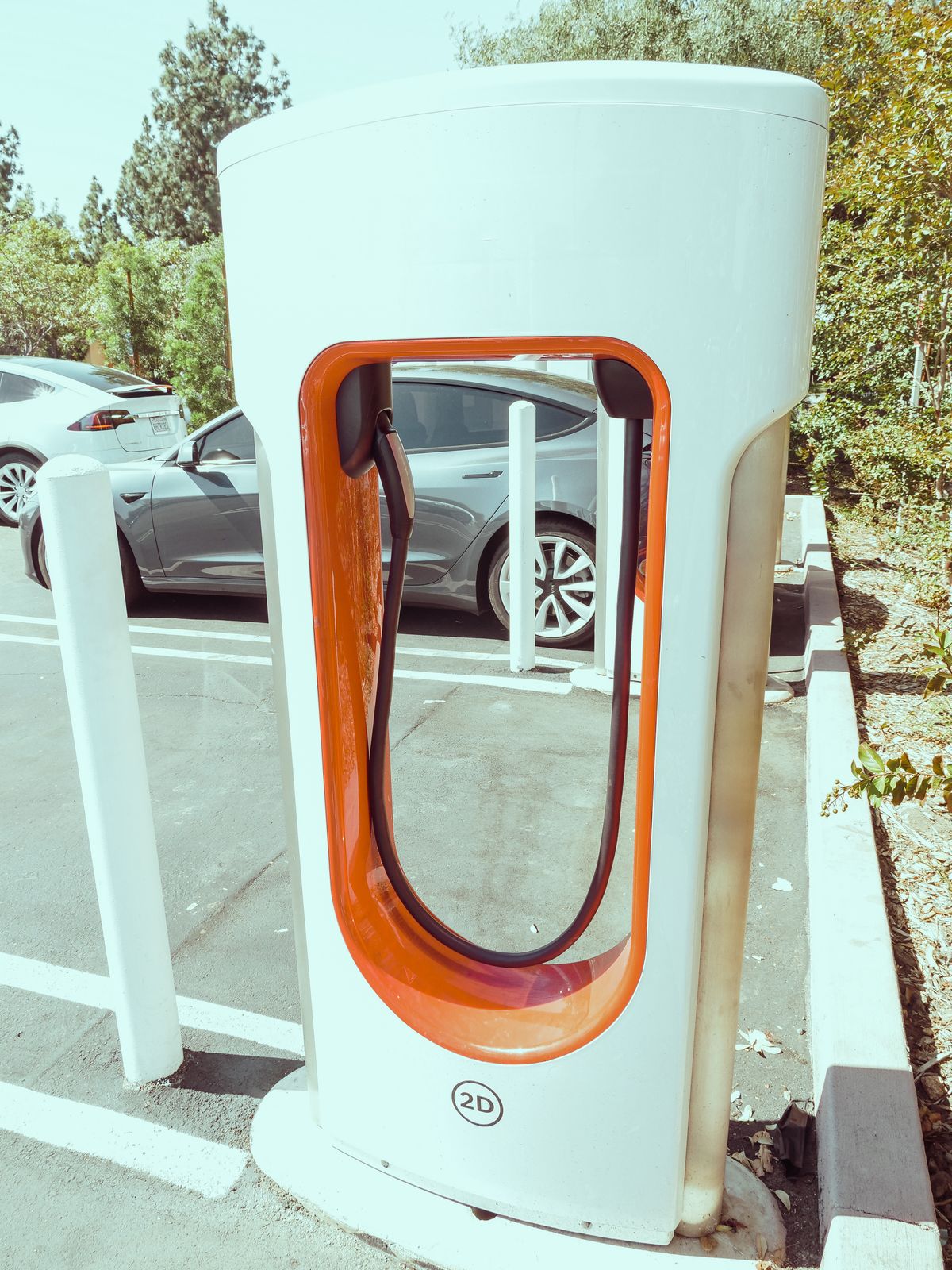
What do you need to charge an electric car at home in Canada?
Home EV charging starts with your parking arrangement, vehicle needs and a safe electrical setup. Natural Resources Canada recommends considering charger certification, driving needs, outdoor suitability and professional installation. Before buying equipment, confirm property permission and any rebate pre-approval. Charging costs appear on your electricity bill; potential cash-back rewards are separate and must be verified with a provider.
- Check permission and installation suitability before buying.
- Use your driving routine and charging window to choose equipment.
- Budget for electricity and installation without assuming future rewards.
Can you charge where you park?
Start with permission and access. A homeowner with a driveway, a tenant and a condo resident may need different approvals. Natural Resources Canada notes that multi-unit buildings involve tenants, owners, strata councils and property managers in charging decisions.
Confirm that the proposed location can serve your assigned parking space and that cable placement will not obstruct a walkway. An outdoor location also makes the product’s environmental suitability important. Do not assume indoor-only equipment is appropriate outside.
If you do not control the property, get permission before arranging installation. A landlord or building board may need a broader plan for metering, billing, access and future demand, not simply approval for one wall-mounted unit.
How should you choose a home charging setup?
Match the charging setup to the energy you normally need to replace and the hours the vehicle is parked. A slower option may suit some routines; more frequent driving or a short charging window may favour a professionally installed Level 2 option.
Do not assume a universal time to refill a battery. Vehicle charging limits, the available installation, starting charge and conditions all affect the result. Compare your usual top-up rather than assuming you always arrive with an empty battery.
Your vehicle handbook and charger instructions should guide connector and adapter compatibility. A plug that appears to fit is not sufficient evidence that every adapter or installation arrangement is approved.
What should an electrical professional assess?
Natural Resources Canada identifies home electrical capacity, electrical permits and labour as factors affecting installation. A qualified professional can help select equipment, assess capacity and handle the applicable permit process.
Ask for a written scope describing the equipment, proposed location, necessary work, permits and exclusions. A panel’s label alone does not establish whether it can support a new charger. Avoid online advice that gives a definitive answer without a site assessment.
If you are considering a charger rebate, check its current eligibility and pre-approval requirements before work starts. A qualifying product does not necessarily make every installation expense eligible.
How should you budget for charging?
The electricity used at home is reflected on your utility bill. To estimate the variable energy charge, you need the electricity drawn for charging and the applicable tariff, including the time period if your plan changes rates by time of use.
Keep installation costs, electricity costs and any possible incentive in separate lines of your budget. A future rewards offer may have eligibility conditions, fees or uncertain timing. It should not be used to justify an unsafe setup or an unaffordable purchase.
After installation, compare charger or vehicle records with your assumptions. Seasonal conditions, driving changes and charging away from home can all make your actual pattern differ from an early estimate.
Frequently asked questions
Do I need permission to install a charger?
If you do not control the property, confirm permission before installation. Shared buildings can involve an owner, landlord, condo board or property manager as well as an electrical professional. The exact approval process depends on the property and jurisdiction. Natural Resources Canada recommends expert consultation for multi-unit building charging plans.
Can I install a Level 2 charger myself?
Do not use this guide as installation instructions. Natural Resources Canada says a licensed electrician is required in most jurisdictions and can help assess electrical capacity and permits. Local rules and the equipment instructions matter. Obtain a qualified assessment before changing wiring, adding a receptacle or commissioning a hardwired charger.
Will home charging increase my electricity bill?
Charging uses electricity from your home and that use appears on the utility bill. The amount depends on the energy drawn and the applicable tariff. Compare the incremental charging cost with your transport budget rather than assuming a universal monthly amount. Any charging reward is a separate, conditional benefit, not a reduction guaranteed by your utility.
Should I apply for a rebate before installation?
Check the specific current program before committing to work. Natural Resources Canada warns that some rebates require pre-approval. Eligibility can depend on the applicant, equipment, location, timing and documents. Keep written approval where required, and ask whether beginning work or buying equipment first would make the application ineligible.
Sources
- Natural Resources Canada — Charger installationAccessed 2026-10-17
- Natural Resources Canada — Costs of EV chargingAccessed 2026-10-17
Related reading
More in this series
See what home charging could return.
Province and vehicle specific. Sourced assumptions, no guaranteed payout.