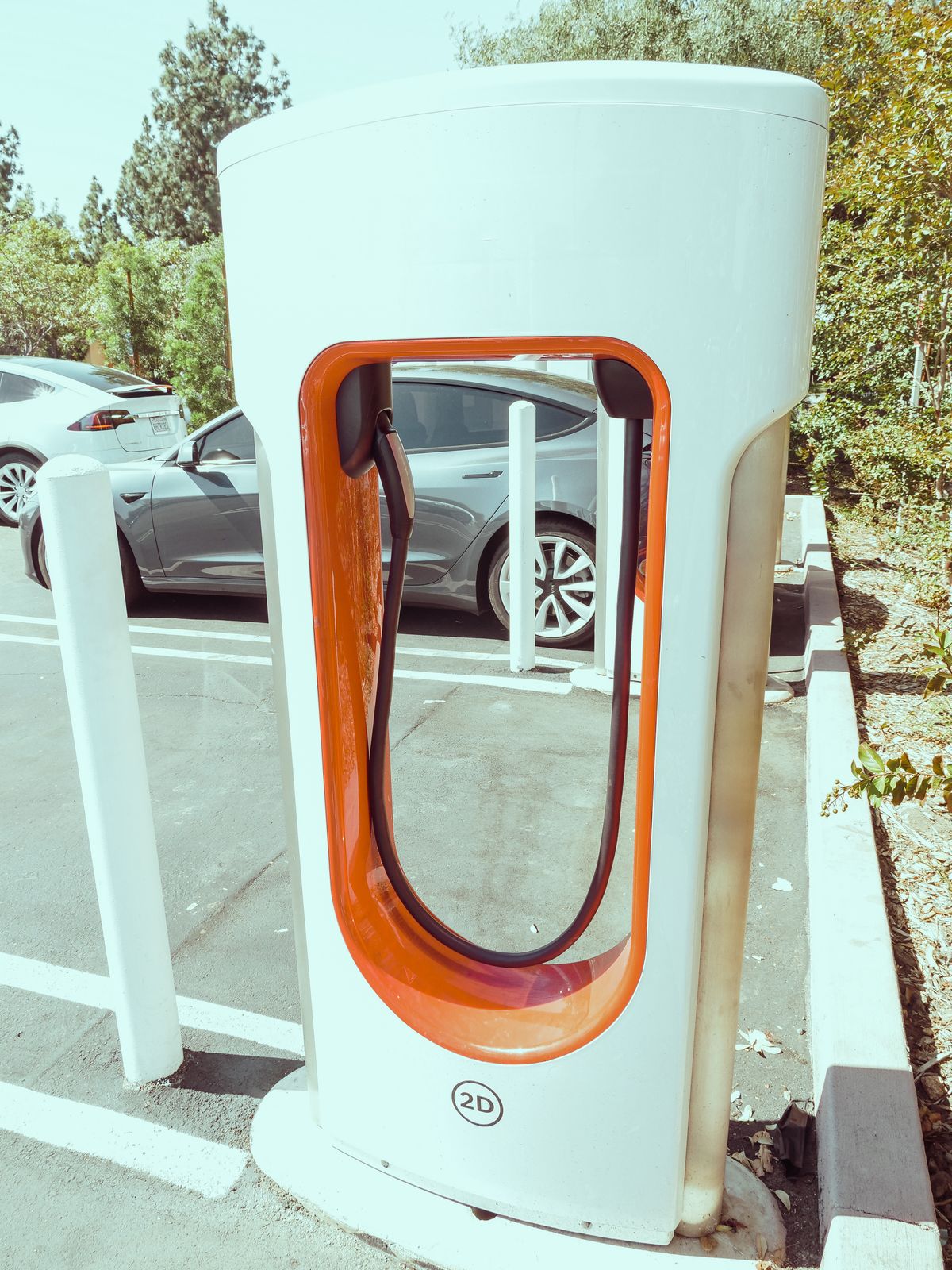
How do you calculate the cost of charging an EV at home?
Estimate home EV charging cost by multiplying electricity drawn for charging by the applicable electricity rate. Use your own tariff and account for when you charge if prices vary by time. Battery energy, electricity drawn at the wall and public-charging fees are not interchangeable. A useful estimate states its assumptions and does not subtract unverified rebates or rewards.
- Use the tariff and charging energy relevant to your household.
- Separate battery energy from wall energy to avoid ignoring losses.
- Show installation and public-charging costs separately.
Which electricity price should you use?
Start with your utility’s current tariff and bill. Identify the variable charges affected by extra charging and whether the rate changes by time of day, season or consumption tier. Do not copy another province’s advertised off-peak price.
A household bill may contain both fixed and variable items. Simply dividing the total bill by all household energy can obscure the incremental cost of adding an EV. Explain which costs are included in your estimate.
Which energy measurement belongs in the calculation?
Use electricity drawn for charging where it is available. The change in battery energy is not necessarily identical to energy drawn from the supply, so do not silently treat the two as interchangeable.
If you estimate energy from driving, state the distance and vehicle consumption assumptions and how charging losses are treated. A planning value is not a measurement of your future household use.
How do you calculate the variable charging cost?
Charging cost = electricity drawn for charging in kWh × applicable variable price in dollars per kWh. Where tariffs vary, calculate each charging period separately and add the results. Make the units explicit and identify any tax or other variable charges not included.
For a hypothetical example—not a current utility quote—300 kWh drawn for charging at an assumed $0.15/kWh costs $45 in energy charges. If your tariff or charging use differs, replace both inputs. This example excludes installation, public charging, taxes and any charges not included in the assumed rate.
Use measured electricity drawn at the charger or supply when available. If the input measures only energy stored in the battery, do not treat it as wall electricity without accounting for charging losses. Compare the estimate with your charging records after a few billing periods.
What should stay outside the energy-only estimate?
List installation and equipment separately from recurring electricity. If you also use public charging, check its operator’s actual fee structure rather than applying your home tariff to those sessions.
Natural Resources Canada notes that public charging can use time-based, session, energy-based or combined fees. A home-energy estimate therefore does not describe your entire travel budget.
Keep possible charging rewards in a separate conditional line. Do not subtract an unverified benefit and present the result as the price your utility will charge.
Frequently asked questions
What determines the cost of charging at home?
The main calculation uses electricity drawn for charging and the applicable tariff. Charging time, the vehicle, losses and the household rate plan can affect the estimate. Equipment and installation are separate expenses. Use the current utility rules for your address rather than assuming one Canadian price applies to every household.
Is battery capacity the same as charging electricity?
Not necessarily. Battery capacity describes stored energy, while your utility bills electricity supplied to the home. A charging estimate must explain how it handles energy drawn from the supply and any losses. Do not present a battery-only calculation as an exact bill prediction without stating and checking that assumption.
Is public charging priced like home charging?
Not always. Natural Resources Canada describes different public-charging fee structures, including time, session, energy and combined fees. Read the operator’s current terms and any parking or idle charges before starting. Your home electricity rate is not a reliable way to predict the price of a public charging session.
Should I subtract cash back from my charging bill?
Keep it separate until a provider confirms eligibility and a payment is actually due. The utility still charges under its own tariff. A reward can have conditions, fees or a different timing from the bill. Showing gross charging cost and conditional rewards separately makes the budget clearer and avoids implying guaranteed reimbursement.
Sources
- Natural Resources Canada — Costs of EV chargingAccessed 2026-10-17
Related reading
More in this series
See what home charging could return.
Province and vehicle specific. Sourced assumptions, no guaranteed payout.